When people ask me what it's really like to live in Castle Rock, the weather is often the first thing that genuinely catches them off guard — and not always in the way they expect. They've heard Colorado has sunshine. They haven't quite been prepared for snow in May and a thunderstorm at 2pm on the same week. They know the altitude is up there, but they don't realize how much that single fact changes everything from how their skin feels to how quickly a sunburn can happen on a January hike.
I've lived and worked here long enough to have helped dozens of families make this move, and I always give them the same preemptive briefing. Consider this your version of that conversation — the warm, honest one I'd have over coffee about what the sky out here is actually going to do.
1. Yes, the sunshine is real — and it's intense
Colorado's famous "300 days of sunshine" isn't marketing fluff. The Front Range genuinely sits in a sweet spot where the jet stream, the proximity to the high desert, and the mountain rain-shadow effect combine to make the sky here remarkable. Castle Rock, sitting at roughly 6,200 feet above sea level, gets the full benefit of that elevation — which means clearer air, lower humidity, and a sun that feels noticeably stronger than what you're used to at sea level.
Here's the thing about altitude and UV radiation: for every 1,000 feet of elevation gain, UV intensity increases by about 6–8%. At 6,200 feet, that adds up to a meaningful increase compared to somewhere like sea-level Florida. The thinner atmosphere simply filters less. This is why a January afternoon hiking the Ridgeline Trail can leave you with a real sunburn on your arms and the back of your neck — even in 40-degree weather.
What to do about it
Make SPF 30+ a year-round habit, not just a summer one. Keep lip balm with sunscreen in the car. And when you're out in the snow — especially with the sun reflecting off white ground — slap on those sunglasses. The glare is no joke. On the upside, this abundance of sunshine is one of the things locals genuinely treasure. Those golden afternoons in the fall, the brightness of a December morning after a fresh snowfall, the way the light hits the butte in the evening — it's one of Castle Rock's best gifts.
2. The temperature swings will keep you on your toes
Low humidity and high elevation mean Castle Rock runs on big temperature swings — often 30 to 40 degrees between a winter morning low and the afternoon high. It's entirely possible to wake up to 18°F, have a clear 50°F afternoon, and be watching the Stars and Stripes snap in the wind by sunset. The official record range over the course of a year runs from around 19°F to 83°F, and those extremes happen more often than the averages suggest.
Summer days are warm and genuinely lovely — highs in the low-to-mid 80s are typical in July, with cool evenings that make sleeping comfortable without air conditioning for much of the summer. Winters are cold but sunny; that same elevation that turns up the sun also means that even after a serious snowstorm, the sun usually comes back the next day and starts melting things right away. A 12-inch dump in January can be mostly gone from the roads within 48 hours.
What to do about it
Layer obsessively. Every Castle Rock resident develops a car full of options — a light jacket on the back seat is mandatory spring through fall. The morning and the afternoon are genuinely different seasons here, so check the full day's forecast before you head out for a hike or an outdoor event. The good news: once you adjust to layering, it becomes second nature, and you'll find yourself appreciating how invigorating the temperature range is compared to the muggy sameness of the coasts.
3. Afternoon thunderstorms are a summer ritual — and they bring hail
This is the one that catches newcomers most by surprise. Virtually every afternoon in June, July, and August, Castle Rock participates in Colorado's classic Front Range weather pattern: a gorgeous, sun-drenched morning, and then clouds that build over the mountains through the late morning and come rolling east by 2 or 3pm. By mid-afternoon, you've got thunderstorms. Often dramatic ones, with close lightning, heavy rain, and sometimes hail. By 6pm, it's frequently sunny again.
The hail is worth a specific mention, because the Front Range sits in what meteorologists call the "Hail Alley" — a stretch running from northern Texas through Colorado that sees some of the highest concentrations of hail in the country. Castle Rock and surrounding Douglas County are right in this corridor. We're talking marble-sized, golf ball-sized, occasionally worse. It can do real damage to cars, roofs, and gardens very quickly.
What to do about it
- Schedule outdoor activities — hikes, youth sports, deck parties — for mornings through early afternoon during summer. The pattern is that reliable.
- If you're buying a home here, make sure your roof inspection specifically looks at hail damage history. Many Castle Rock homes have been re-roofed at least once. It's not a red flag — it's just reality — but you want to know what you're inheriting.
- Comprehensive car insurance that covers hail is basically non-negotiable. A covered garage or carport is a meaningful quality-of-life feature worth seeking out.
- If you see lightning while you're out on a trail — especially above treeline — descend immediately. Lightning on the Front Range moves fast and doesn't give much warning.
4. Spring snow is real, and it goes all the way to May
There's a local saying on the Front Range: don't plant your garden until after Mother's Day. It exists for good reason. While Castle Rock winters are cold, some of the heaviest snowfalls of the season happen in March, April, and even early May. These are what locals call "upslope" storms — a specific weather pattern where moist air from the Gulf flows west, hits the mountains, rises, cools, and dumps as wet, heavy snow on the Front Range. They're a signature Colorado phenomenon and they can produce a foot or more overnight in spring.
The silver lining: spring snow is usually wet and heavy (great for snowmen, less great for shoveling) and it melts fast. A big spring storm on a Saturday can mean a slushy Sunday and mud by Monday. Residents joke that it always snows on someone's April birthday — and they're not wrong. One local put it best during a late April snowstorm: "Most people keep their snow tires on through Memorial Day. Everybody grumbles about it, but in the end, we all love it."
What to do about it
Keep your snow gear accessible through May. Don't plant anything frost-tender until mid-May, or better yet, late May if you're risk-averse. Cold-hardy plants — native Colorado species, ornamental grasses, conifers — are your landscape friends here. And embrace it: a fresh spring snow on the butte with the meadow greening below it is genuinely one of the most beautiful things you'll ever see from your backyard.
5. The dry air will change your whole skincare (and hydration) routine
This one is quiet but it affects quality of life immediately. Castle Rock's semi-arid climate means average humidity that hovers in the 45–66% range, which sounds moderate — but after sea-level or Midwest humidity, it feels dramatically drier. The air pulls moisture from your skin, your nasal passages, your wooden furniture, and your houseplants constantly. Newcomers almost universally report cracked lips, dry skin, and feeling thirstier than they're used to within the first few weeks.
At 6,200 feet, your body is also working harder to oxygenate your blood — especially during the first few weeks of acclimation — which makes dehydration set in faster than you expect. A headache that you'd normally chalk up to stress is often just altitude + dehydration. Alcohol hits harder at elevation too, which Castle Rock social life will teach you quickly if nobody warns you first.
What to do about it
- Drink more water than you think you need — add a glass or two daily compared to your previous routine, and drink before you feel thirsty.
- Get a whole-house humidifier if your home has forced-air heating. Winter indoor air can get genuinely parched. Your sinuses, your wood floors, and your houseplants will thank you.
- Heavy moisturizer, especially on hands and feet, becomes part of the daily routine. Keep a small tube at your desk, in the car, and by the bed.
- If you wear contact lenses, you may find they're less comfortable here than at your previous altitude. Lubricating eye drops become a staple.
The part nobody warns you about: you'll love it
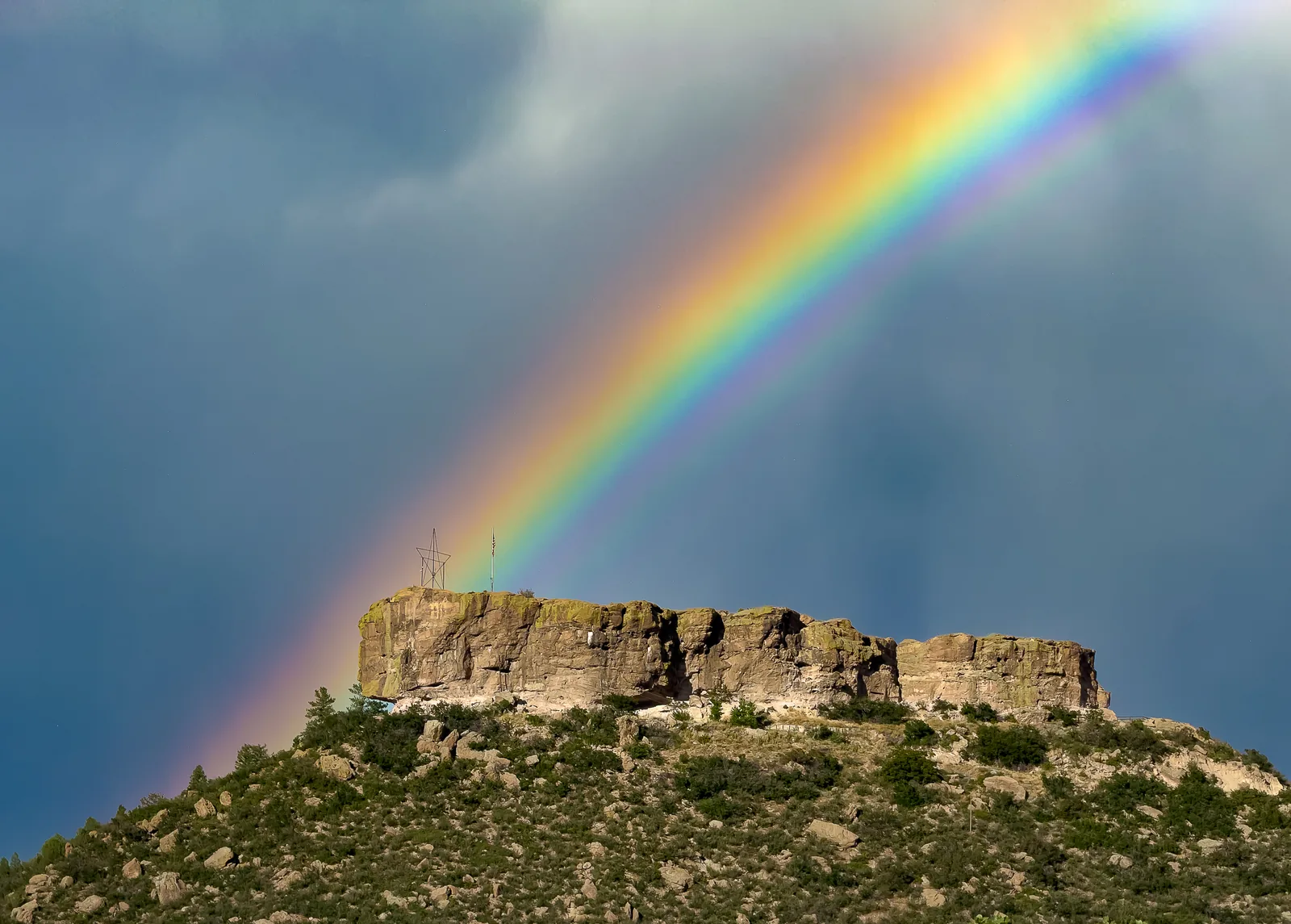
Here's the thing I want to close with, because all of the above could sound like a warning list and it really isn't meant to be. Castle Rock's weather — even its unpredictability — is one of the things people come to love most about living here. The quality of the light on a clear Front Range morning is genuinely something that lifts your mood. The way a dramatic summer storm rolls in fast, delivers its thunder, and sweeps out to leave a rainbow over the butte is a scene that never gets old. The first big snow of the season transforms Castle Rock into something genuinely magical.
People who grow up here get a little homesick for this sky when they leave. That's the real weather story of Castle Rock — it's dynamic, it's dramatic, and once it's yours, it feels like home in a very particular way.
Thinking about making Castle Rock home? I'd love to show you what life here really looks like — seasons, sunshine, and all. Reach out to Jessica and let's talk about what neighborhood fits your life best.